|
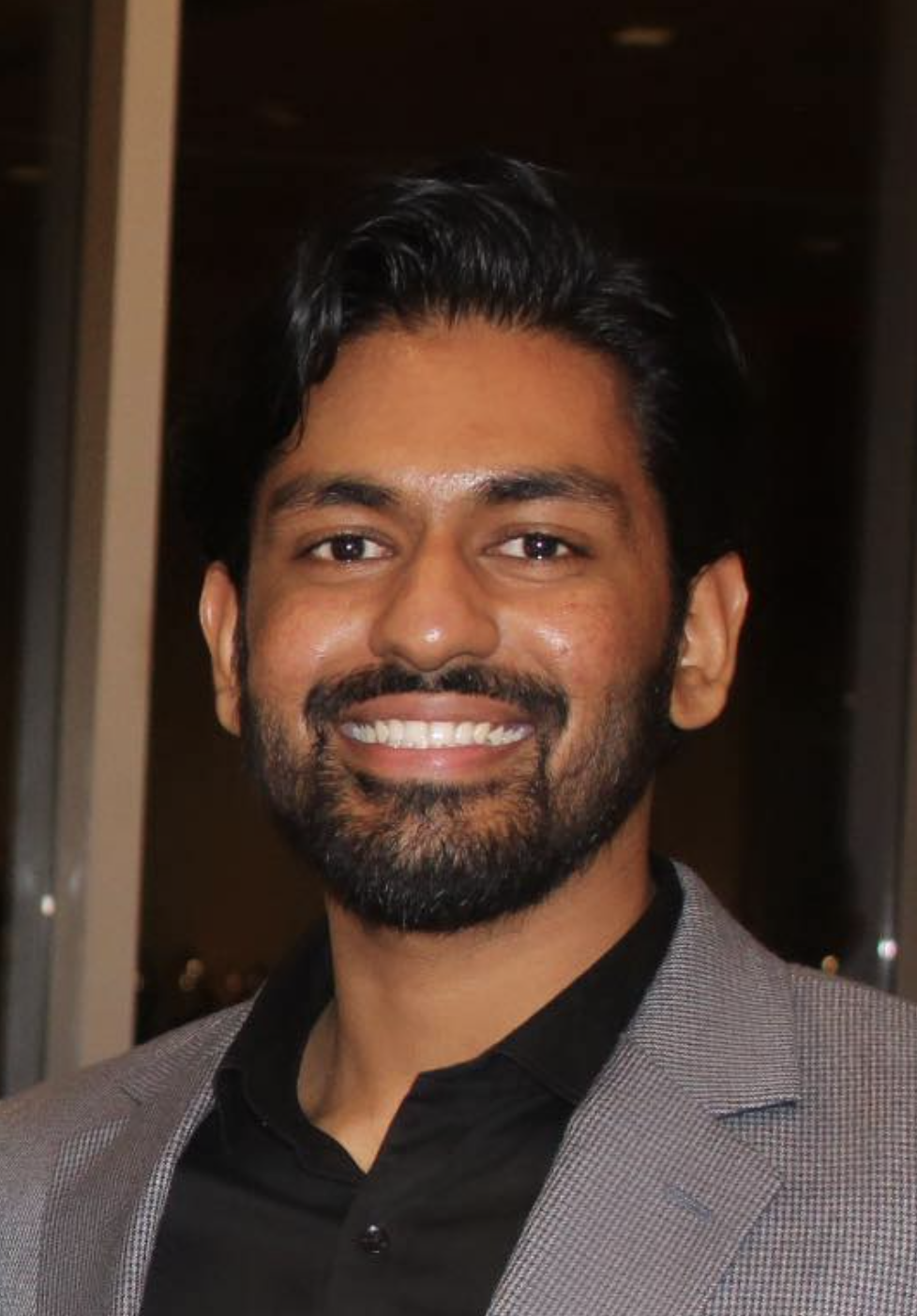
I am a second-year PhD student at Columbia University, as part of the Columbia Core AI Lab (CAIL), advised by Yunzhu Li and Tony Dear. I received my M.S. in Computer Science from Georgia Tech and my B.S. in Computer Engineering from Purdue University. During my PhD, I've had great experiences working at Toyota Research Institute and NASA Jet Propulsion Laboratory, and previously in industry as a Senior Data Scientist at Verizon AI Center and AT&T Labs. I am interested in world models and vision-language-action policies for robotic manipulation, specifically building generalist robots that can reason about and interact with the physical world. Google Scholar / LinkedIn / X / GitHub |
|
News
[Apr 2026] Our paper, Interactive World Simulator, was accepted to RSS 2026!
|
Research |
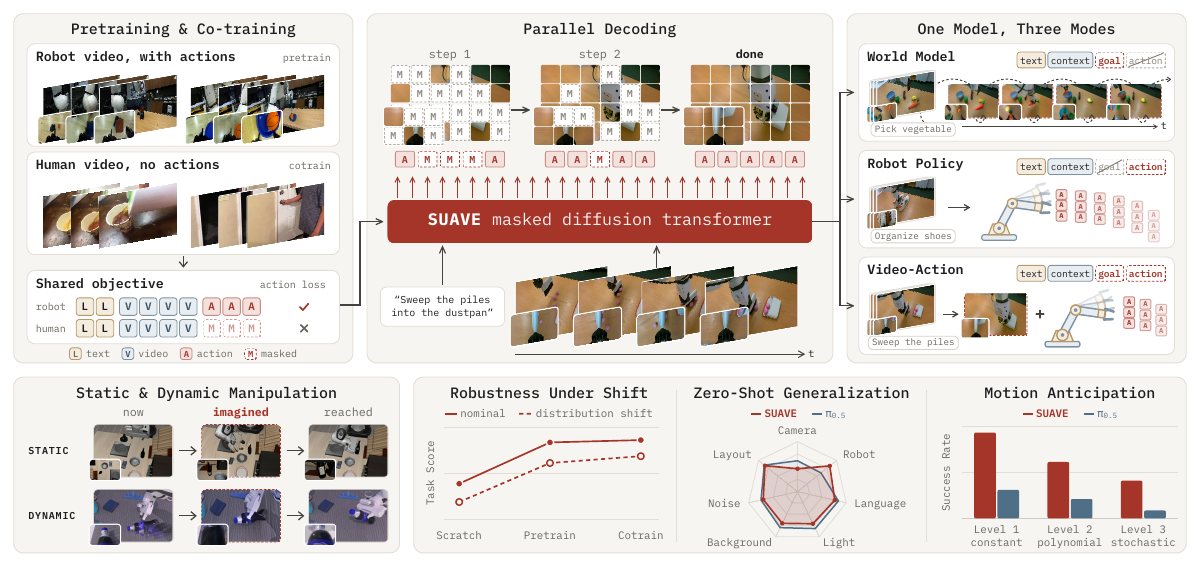 |
Rhythm Syed, Jean Mercat, Sedrick Keh, Kushal Arora, Paarth Shah, Aykut Onol, Mengchao Zhang, Tony Dear arXiv 2026 We present SUAVE, a Single vocabulary Unified Action-Video modEl in which a masked diffusion transformer generates video and actions conditioned on language, with all three modalities represented as discrete tokens in a shared sequence. Choosing which tokens to mask at inference turns the same network into a world model, a robot policy, or a video-action model. A single SUAVE model predicts long-horizon video and acts as a policy, competitive with dedicated world models and specialized action policies on static and dynamic manipulation tasks, while running closed-loop on a real robot at 2.5 actions per second on an RTX 5090. Pretraining on robot video and co-training on human video substantially improves policy performance and zero-shot robustness to distribution shift. |
|
|
Yixuan Wang, Rhythm Syed, Fangyu Wu, Mengchao Zhang, Aykut Onol, Jose Barreiros, Hooshang Nayyeri, Tony Dear, Huan Zhang, Yunzhu Li RSS 2026 Best Student Paper Award at the RSS 2026 Workshop on Robot World Models project website / arXiv / code / models & data We introduce a world model that runs at 15 FPS for over 10 minutes on a single RTX 4090 GPU and predicts photorealistic and physically accurate future frames. Our model is interactive in real time and performs action-conditioned video prediction which enables high quality data generation for policy training and evaluation making it scalable, reproducible, and faithful. |
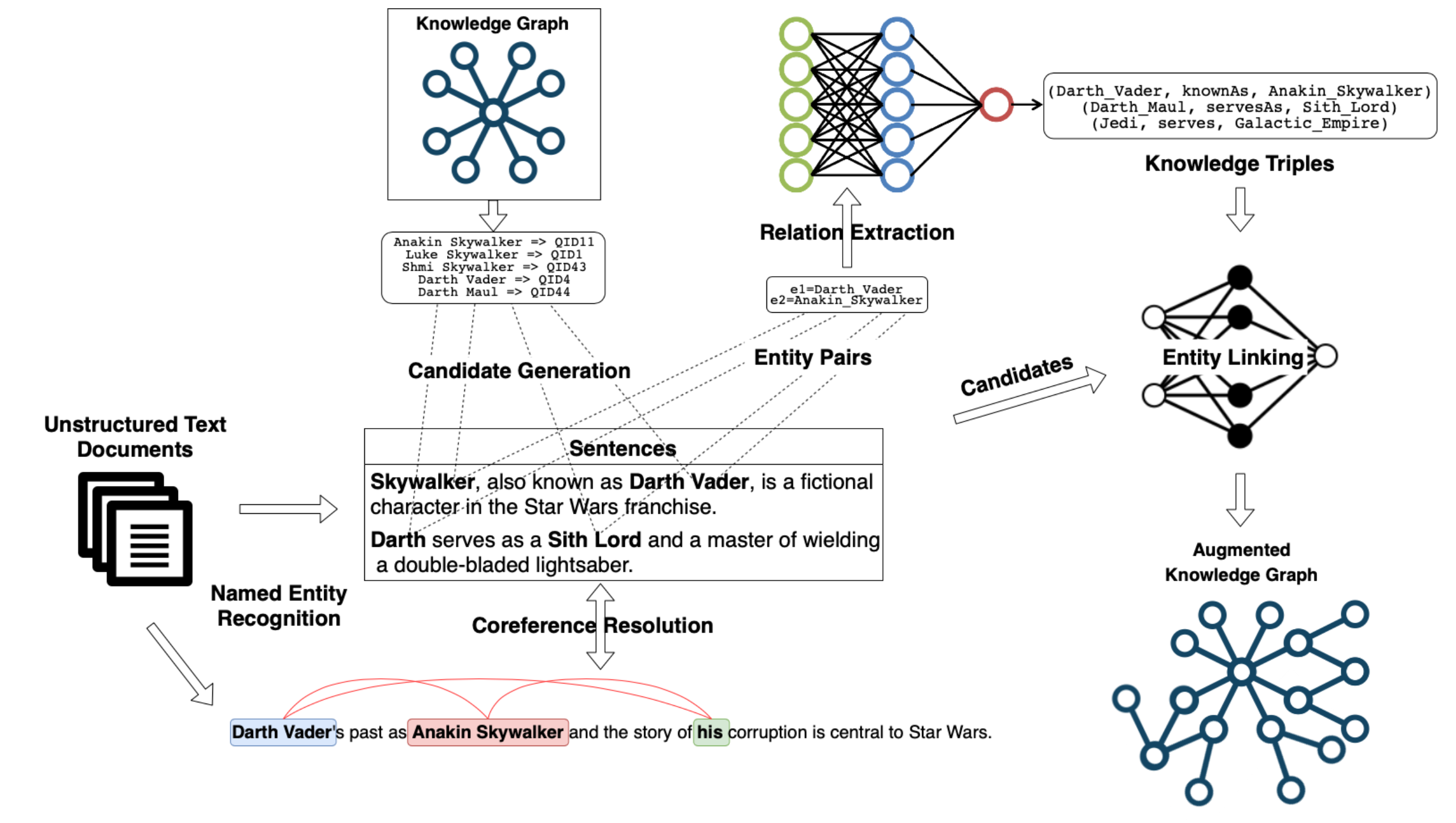 |
Rhythm Syed, Zach Welz, Santiago Balestrini GTRI Research Conference 2021 code Knowledge graphs are valuable data models for natural language and AI systems, but they are time-intensive and expensive to build by hand. We propose a framework for automatically constructing and augmenting knowledge graphs from unstructured text corpora with minimal human supervision, and evaluate it on an existing ontology domain including an entity linking task for graph expansion. |
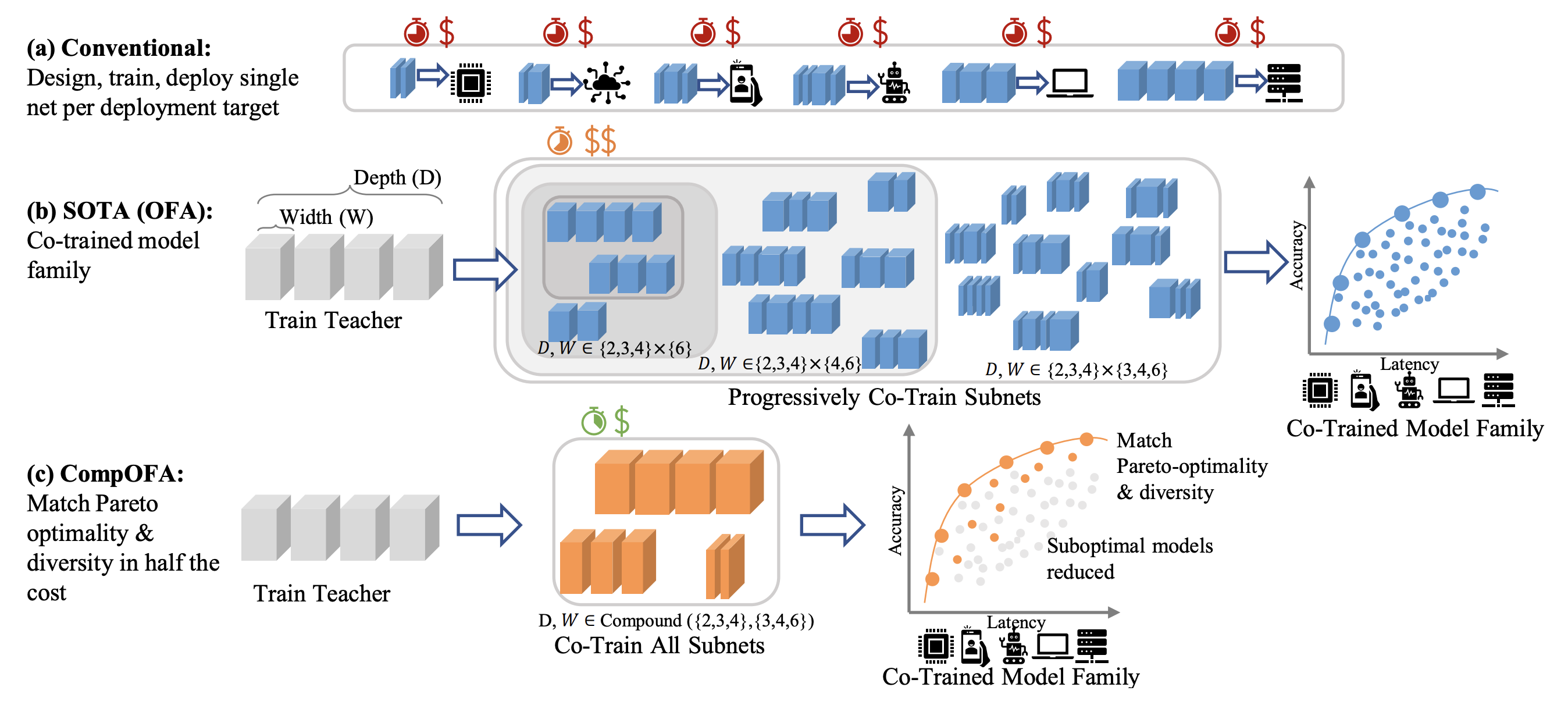 |
Rhythm Syed, Arvind Akpuram Srinivasan arXiv 2021 Once-For-All (OFA) neural architecture search relies on per-hardware latency lookup tables that are slow and manual to build. We instead train latency predictors for neural network architectures and introduce two generalization strategies: finetuning a predictor to new hardware, and GPU generalization that conditions on hardware parameters such as core count, RAM size, and memory bandwidth. Our predictors achieve over 50% lower RMSE than ProxylessNAS and match or exceed the NAS performance of the lookup table baseline. |
Teaching & ServiceI enjoy teaching and mentoring - please feel free to reach out!
COMS 4705 NLP Adjunct Lecturer: Columbia AI Executive Education |

|
|
Last updated October 2026. Template from here. |